
Table of Contents
- The Short Answer: Yes, Pressure Washing Can Damage Roof Shingles
- Why High Pressure Damages Asphalt Shingles
- How Pressure Washing Voids Your Roof Warranty
- Soft Washing: The Safe Alternative for Asphalt Shingles
- Understanding Soft Wash Roof Cleaning Cost
- How to Remove Black Streaks from Roof Shingles Safely
- Choosing the Right Roof Cleaning Chemicals for Asphalt Shingles
- Signs of Roof Damage from Power Washing
- Frequently Asked Questions
Last Updated: September 5, 2026
The Short Answer: Yes, Pressure Washing Can Damage Roof Shingles
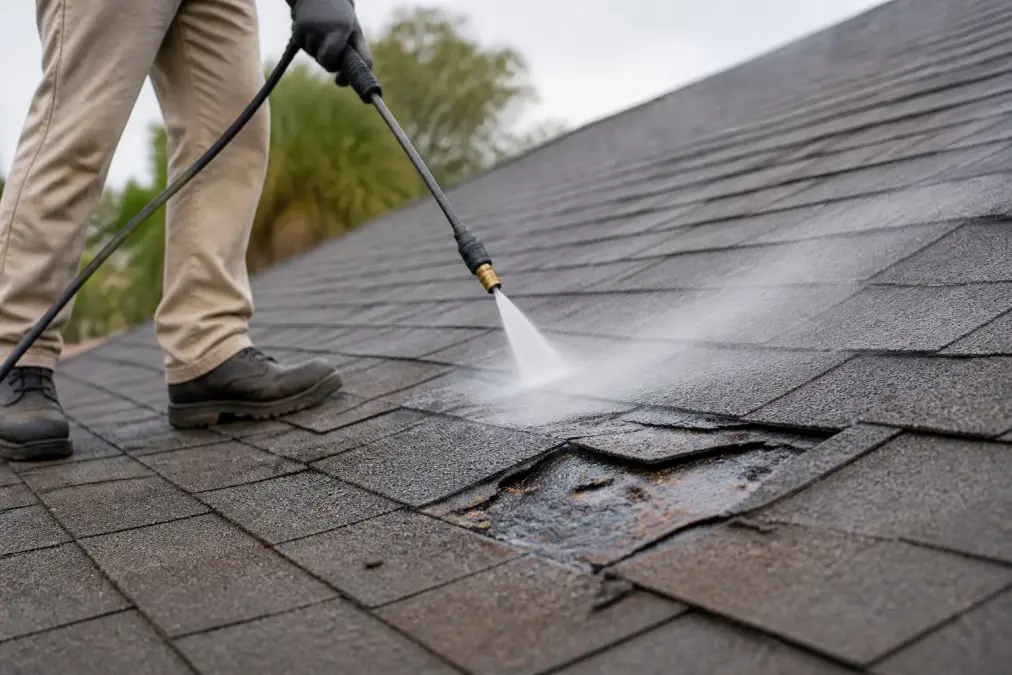
Pressure washing is a common cause of premature roof failure, and the short answer is a definitive yes. High-pressure water jets strip away the protective ceramic granules that shield shingles from UV rays, accelerating aging and exposing the asphalt substrate. At Carters Precision Pressure Washing, we regularly see roofs unknowingly damaged by a well-intentioned homeowner with a rented machine.
The danger is not hypothetical. The roofing industry’s consensus, supported by manufacturers and the Asphalt Roofing Manufacturers Association guidelines, is that power washing voids most shingle warranties and dramatically shortens roof lifespan. Below, we’ll show you exactly why this happens, what it means for your warranty, and the safe alternative that professional contractors use to clean roofs without causing damage.
Why High Pressure Damages Asphalt Shingles
A concentrated stream of water moving at high velocity acts like a sandblaster on your roof’s surface. Asphalt shingles are not designed to withstand that force; the water jet abrades the shingle surface itself, not just dirt and algae.
Granule Loss and Premature Aging
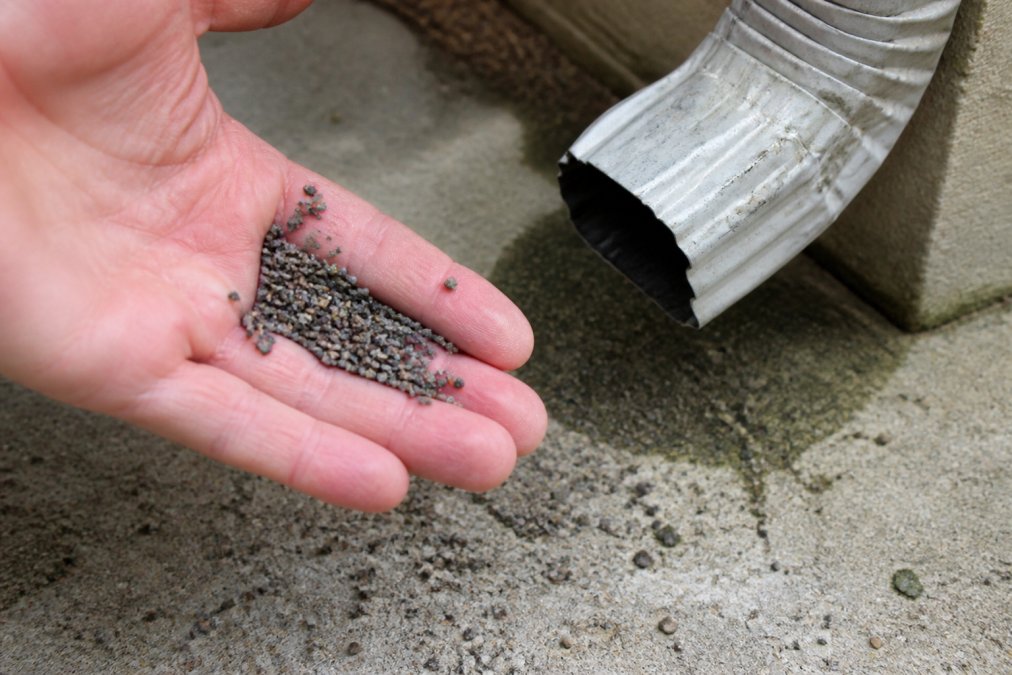
Those sand-like granules in your gutters are not debris; they are the shingle’s primary defense against UV radiation. When a pressure washer blasts them loose, the shingle loses its protective coating and ages at an accelerated rate. What took 20 years to degrade can happen in a few seasons after one aggressive washing.
Water Infiltration and Shingle Dislodgement
High pressure does not just remove granules; it can physically lift and bend shingle tabs, breaking the factory seal that holds them flat. Once that seal is broken, wind and rain have a direct path to the roof substrate below. Water infiltration behind the shingles can rot the decking, rust the nails, and eventually lead to leaks inside your home. Guidance from the U.S. Department of Energy on roof maintenance emphasizes that maintaining the integrity of the roofing material is the single most important factor in preventing structural damage and water damage to the home’s interior.
How Pressure Washing Voids Your Roof Warranty
Most homeowners do not realize their roof warranty is contingent on proper maintenance. The fine print in virtually every major shingle manufacturer’s warranty states that high-pressure washing is considered abuse, not normal wear and tear, and explicitly excludes damage from improper cleaning methods.
This means a single pressure washing session can effectively void the entire value of your roof’s warranty. If you file a claim for premature granule loss or shingle failure years later, the manufacturer will send an inspector. They will see the surface abrasion and stripped granules, and they will deny the claim. To verify your specific coverage, check the maintenance clauses in your original roofing contract or contact the shingle manufacturer directly. The Federal Trade Commission guidance on warranty rights clarifies that you are entitled to a copy of warranty terms before purchase, so review them carefully if you are planning any roof maintenance.
Soft Washing: The Safe Alternative for Asphalt Shingles
Soft washing is a low-pressure method using specialized surfactants to break down organic growth without damaging the roof. Instead of nozzle pressure, it uses a chemical solution to kill algae, moss, and lichen at the root, followed by a gentle rinse barely stronger than a garden hose sprayer.
A technician applies a biodegradable solution, lets it sit for several minutes, then rinses with low-pressure water, typically under 150 PSI. This preserves shingle integrity and granules, and cleans more thoroughly because the chemicals kill spores, preventing regrowth without risking dislodgement or water infiltration.
Understanding Soft Wash Roof Cleaning Cost
Soft wash roof cleaning cost is typically higher per square foot than pressure washing, but the long-term value is better. Pressure washing is cheap because it is fast and uses minimal chemicals; soft washing costs more due to professional-grade chemicals and more application and rinse time.
Pricing depends on roof size, slope, severity of growth, and shingle type. Request a quote from a professional; a fixed price without an on-site inspection is a red flag. The real cost comparison is not the cleaning price but the cost of early roof replacement. A pressure washing mistake can turn a 25-year roof into a 10-year roof.
How to Remove Black Streaks from Roof Shingles Safely
Black streaks on asphalt shingles are almost always caused by Gloeocapsa magma, a cyanobacteria feeding on the limestone filler. They do not require high pressure to remove; blasting them off damages the shingle surface while leaving algae roots intact, so streaks return quickly.
Safe removal prioritizes killing the organism over scrubbing. The most common DIY approach uses a bleach-based solution, but concentration matters more than most realize.
The Standard DIY Mix Ratio
A widely cited formula from ARMA is a 1:1 ratio of liquid bleach to water. For a typical 1,500-square-foot roof, this translates to about 3 to 4 gallons of bleach mixed with 3 to 4 gallons of water. Adding a few ounces of dish soap or surfactant helps the solution cling to the shingles.
Application Order Matters
Work from the bottom upward to prevent solution from running over dry shingles and creating uneven streaks. Use a garden hose or low-pressure pump sprayer, never a pressure washer, for a thorough, even coating.
Dwell Time and Rinsing
Allow the solution to dwell for 15 to 20 minutes, the critical window where bleach kills algae at the root. Do not let it dry, as this leaves white residue. Rinse from the top down with a garden hose nozzle set to a wide fan pattern to remove dead algae without disturbing granules.
Why This Method Beats Pressure Washing
This method kills the organism, so algae does not return for several years. Pressure washing often makes the problem worse by stripping granules, creating a rougher surface for regrowth. A chemically cleaned roof stays cleaner for 2 to 3 years, whereas a pressure-washed roof may show new streaks within a season.
Never mix bleach with ammonia or any other household cleaner. The combination produces toxic chloramine gas. Also, avoid using a metal sprayer nozzle that has been used with acidic cleaners, as the bleach can react with residual acid.
For extensive growth or multiple layers of buildup, a professional soft washing service will use a more concentrated commercial algaecide and may apply a follow-up treatment. For most homeowners, the DIY bleach method is effective but requires careful attention to ratios and dwell times.
Choosing the Right Roof Cleaning Chemicals for Asphalt Shingles
Selecting the correct roof cleaning chemicals is critical. Many off-the-shelf house wash solutions are too strong and can discolor or etch shingles. The safest options are oxygenated bleaches, which break down organic matter without harsh side effects and are safer for landscaping and pets.
Chlorine bleach is effective but requires careful handling. It can kill plants and grass if not rinsed thoroughly, and it can corrode metal flashing and gutters if left on too long. A professional contractor will use a surfactant to help the solution cling to the shingles and will neutralize the runoff to protect your yard. Always avoid acidic cleaners, which can eat away at the shingle granules just like high pressure does. The Environmental Protection Agency guidelines on safe chemical use recommend reading product labels and following application instructions to minimize environmental impact.
The Environmental Blind Spot Most Articles Miss
Most guides focus on pressure, not on what happens to chemicals after runoff. Sodium hypochlorite, the active ingredient in most bleach-based cleaners, is highly toxic to plants and aquatic life. A single cleaning can send gallons of chlorinated runoff into flower beds, lawns, and storm drains.
The EPA regulates sodium hypochlorite as a pesticide under FIFRA, meaning you are legally required to use it per label instructions. Most labels warn against allowing runoff into storm drains. Homeowners hiring an unlicensed contractor who power washes with straight bleach may unknowingly violate these federal guidelines.
Safer Chemical Alternatives
To avoid chlorine entirely, oxygenated bleach products, like Sodium Percarbonate or Oxiclean-style formulas, release hydrogen peroxide when mixed with water, breaking down organic matter without toxic residues. They are safer for landscaping, pets, and waterways, but less effective on heavy moss or lichen and may require a second application.
Neutralizing Runoff Before It Reaches Your Yard
If using a chlorine-based cleaner, pre-wet plants and grass along the roofline before starting, then rinse vegetation thoroughly afterward. Some professionals apply a vitamin C (ascorbic acid) solution to the ground after cleaning, which neutralizes chlorine on contact, a low-cost step most DIY guides omit.
Before any roof cleaning, check the weather forecast. Choose a day with no rain in the forecast for at least 24 hours. Rain immediately after application will wash the chemicals off before they have time to work, and it will carry undiluted bleach directly into your storm drains.
Reading the Label Like a Professional
A professional reads the label for active ingredient concentration, dilution ratio, and environmental precautions. If a label lacks an active ingredient percentage, it is likely weak and overpriced. Most concentrates are designed for a 1:4 or 1:5 dilution; using a stronger concentration does not clean better, it increases damage risk.
Signs of Roof Damage from Power Washing
If your roof has already been pressure washed, look for signs of damage. The most obvious is significant granule accumulation in gutters and downspouts immediately after cleaning. A small amount is normal over time, but a sudden, large volume indicates surface abrasion.
Other signs include lighter patches where granules have been stripped, or lifted, curled, or missing shingle tabs indicating the factory seal was broken. Inside, check the attic for new water stains or light penetration. If you observe any of these, contact a professional roofing contractor before damage leads to structural issues or leaks.
If your roof has been pressure washed, inspect your gutters for granule accumulation and your attic for water stains. Early detection of shingle damage allows for targeted repairs, whereas delayed action often requires a full roof replacement.
Cleaning a roof is preventative maintenance, but the wrong method creates a problem worse than the algae or moss you were removing. Pressure washing strips granules, voids your warranty, and opens the door to water damage. The safer path is soft washing, a low-pressure, chemical-based method that cleans thoroughly without compromising structural integrity.
At Carters Precision Pressure Washing, we specialize in expert exterior cleaning that restores your property’s appearance and enhances curb appeal without the risk of damage. Our team uses industry-standard soft washing techniques to clean roofs, houses, and various exterior surfaces safely and effectively. Call us today for a free estimate and let us make your home shine with a cleaning that protects your investment.
Frequently Asked Questions
Does pressure washing void a roof warranty?
Yes, in most cases it does. Asphalt shingle manufacturers typically state that cleaning must be done using low-pressure methods that do not abrade the surface. Using high-pressure water jets is considered misuse, as it strips away the protective granules that form the shingle’s outer coating. This action is a direct cause of premature aging and granule loss, which are explicitly listed as reasons for voiding the manufacturer warranty. Always check your specific warranty documents for cleaning requirements.
What is the difference between soft washing and pressure washing?
Pressure washing relies on high-pressure water jets to blast away dirt, which is too aggressive for asphalt shingles. Soft washing uses low-pressure rinsing combined with specialized cleaning surfactants to kill algae, moss, and lichen at the source. The cleaning solution does the work, so the water pressure stays low enough to protect the shingle integrity and avoid water infiltration underneath the roofing material.
What do roofers use to clean roofs safely?
Professional roofers and cleaning contractors avoid pressure washing on asphalt shingles. They use a soft wash system, which involves applying a roof-safe chemical cleaning solution with a garden hose sprayer or a low-pressure pump, letting it sit to kill organic growth, and then rinsing with low-pressure water. This method removes black streaks and moss without causing surface abrasion or dislodging the protective granules that keep your roof watertight.
What can I wash my shingles with if I want to clean them myself?
If you plan to DIY, you should never use a pressure washer. Instead, you can use a garden hose with a spray nozzle and a cleaning solution specifically labeled for asphalt shingles. These solutions often contain sodium hypochlorite and surfactants that kill algae without high pressure. Apply the mixture from the ground or a ladder, allow it to dwell, and then rinse gently. Always follow the product instructions to ensure you do not damage your landscaping or void your warranty.