
Table of Contents
- Why Pressure Washing Alone Isn’t Enough to Prevent Mold
- Understanding Mold Spores and Regrowth on Concrete
- Best Concrete Sealer for Mold Prevention
- Step-by-Step Process for Cleaning and Protecting Your Driveway
- Best Way to Remove Oil Stains Before Sealing
- Pressure Washing Frequency for Concrete Maintenance
- Eco-Friendly and Pet-Safe Prevention Methods
- Environmental Factors That Contribute to Mold Growth
- Frequently Asked Questions
Last Updated: September 3, 2026
Why Pressure Washing Alone Isn’t Enough to Prevent Mold
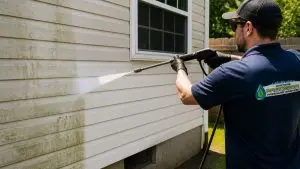
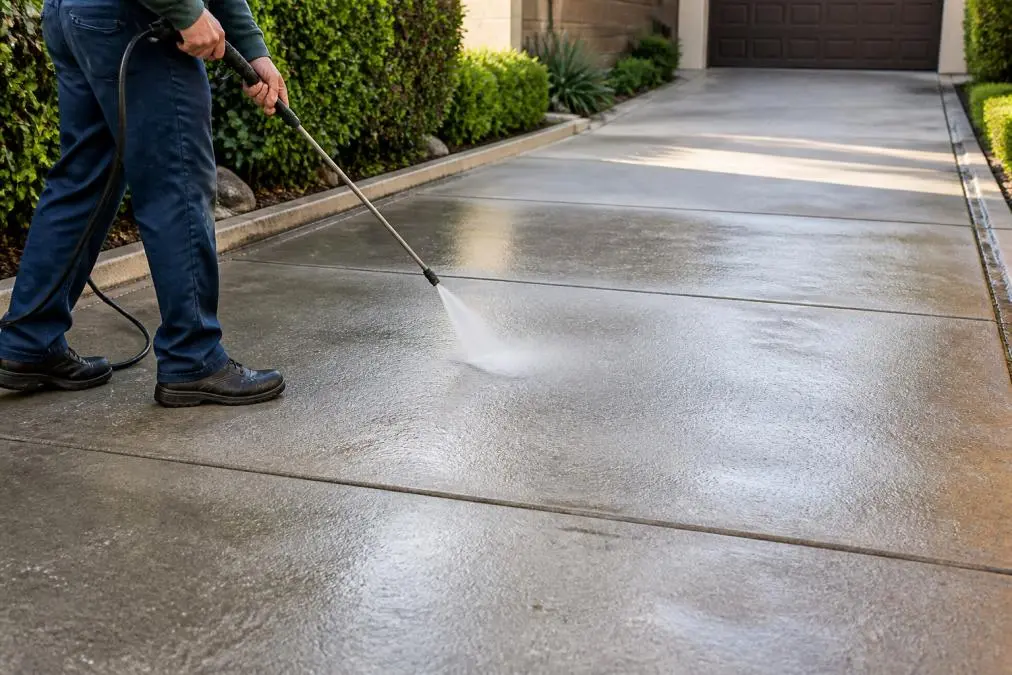
Pressure washing removes visible mold and organic growth from concrete, but mold spores remain embedded in the porous substrate. Within weeks, sometimes days in humid conditions, those spores germinate and the problem returns. Pressure washing is step one, it removes existing contamination and prepares the surface for treatment. Without a preventative maintenance strategy that includes proper drying, chemical application, and sealing, you’re fighting a losing battle against moisture and the spores that thrive in your concrete’s pores.
Understanding Mold Spores and Regrowth on Concrete
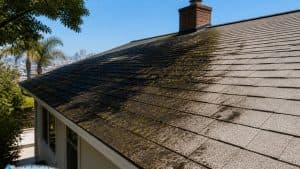
Mold spores exist everywhere in the environment and land on your driveway constantly, seeking moisture and organic material. Concrete’s porous nature makes it an ideal host; water penetrates the substrate and creates pockets of moisture where mold establishes itself. When you pressure wash, visible biofilm is removed, but spores in the concrete’s pores survive. Once moisture returns from rain, dew, or humidity, those spores activate and multiply.
Mold needs three things: spores (unavoidable), moisture (difficult to eliminate entirely), and a porous substrate. Concrete is naturally permeable, which is why prevention requires addressing porosity through sealing and reducing available moisture through proper drainage.
A mildewcide is a chemical treatment that inhibits mold growth by killing spores or preventing germination. Applied after pressure washing, it creates a hostile environment for fungal growth. Combined with a quality sealer that reduces porosity, you create a two-part defense: the mildewcide stops spores from taking hold, and the sealer prevents moisture from reaching the substrate.
Environmental factors amplify the problem. Shade, poor drainage, and high humidity accelerate regrowth. A driveway on the north side of a home will stay wet longer and support mold growth faster than one in full sun.
Best Concrete Sealer for Mold Prevention
How Sealers Reduce Porosity
A concrete sealer creates a protective barrier that fills microscopic pores, preventing water from penetrating deep into the substrate where mold spores germinate. There are two main types: penetrating sealers that work below the surface, and film-forming sealers that create a protective layer on top. For mold prevention, penetrating sealers are generally more effective.
The best sealer combines water repellency with breathability, preventing water from soaking in while allowing moisture that does penetrate to eventually evaporate. A sealer that traps moisture creates conditions where mold thrives.
Quality matters significantly. Budget sealers wear away within a year, while premium sealers protect for 4-5 years. The investment in quality sealer pays for itself by extending time between resealing and preventing repeated mold regrowth.
Application Timing After Cleaning
Timing is critical when applying sealer after pressure washing. The concrete must be completely dry before sealer application, typically 48-72 hours depending on weather (the EPA). Applying sealer to damp concrete traps moisture underneath, creating conditions where mold thrives.
Temperature and humidity matter. Apply sealer when temperatures are between 50-85°F and humidity is below 85% (osha.gov). After sealing, allow the recommended cure time, usually 24-48 hours, before exposing the driveway to water or traffic.
Step-by-Step Process for Cleaning and Protecting Your Driveway
Initial Pressure Washing and Surface Preparation
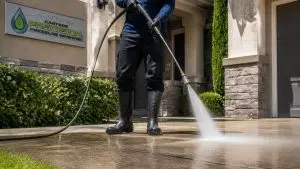
Remove loose debris with a broom or leaf blower. Use a pressure washer at 2500-3000 PSI with a surface cleaner attachment for even coverage (the CDC). Start from the highest point and work downward, overlapping each pass slightly.
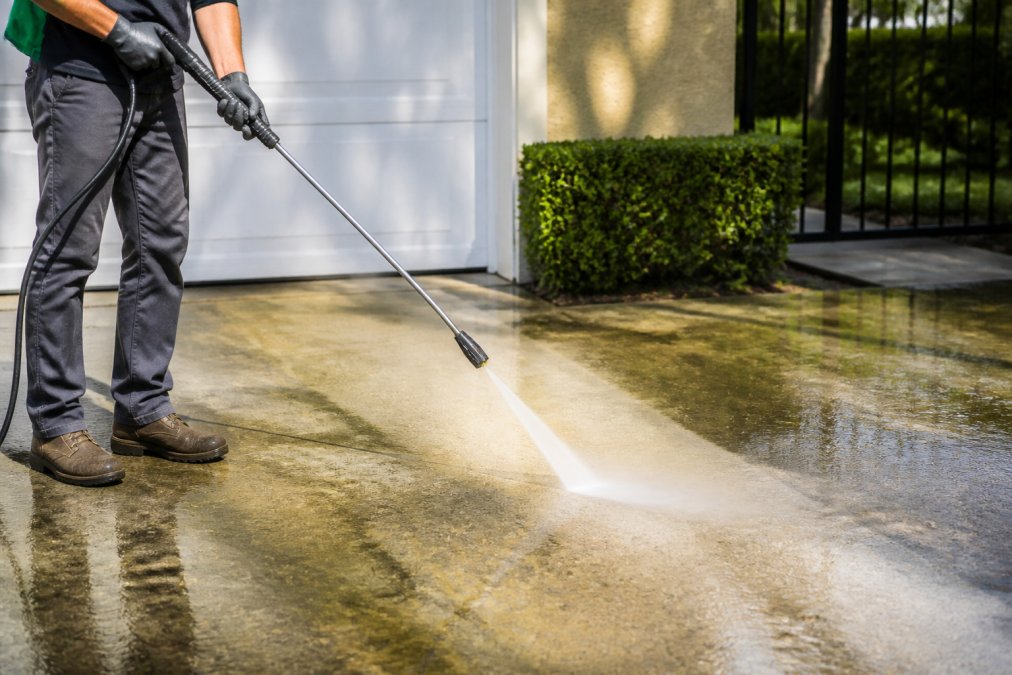
For heavy mold or algae buildup, apply a mold-killing solution before pressure washing. Let it dwell for 10-15 minutes, then pressure wash to remove loosened material. Pay special attention to low spots and edges where water pools and mold regrows first.
Drying and Inspection
After pressure washing, allow the concrete to dry completely, typically 24-48 hours in warm conditions, up to 72 hours in cool or humid weather. Test dryness by placing a plastic sheet over a section for a few hours; if moisture collects underneath, wait longer.
While drying, inspect for remaining stains or problem areas. Check for cracks, spalling, or surface damage. Fill cracks with concrete crack filler before sealing.
Applying Mildewcide and Preventative Treatment
Once completely dry, apply mildewcide solution according to product instructions. Allow the recommended dwell time for the treatment to effectively kill spores and prevent regrowth.
After the mildewcide dries (typically 24 hours), apply concrete sealer using a roller or sprayer for even coverage. Apply thin, overlapping coats rather than one thick coat. Most quality sealers require two coats for optimal protection. Allow the recommended cure time between coats and before exposing the driveway to water or traffic.
Best Way to Remove Oil Stains Before Sealing
Oil stains require different treatment than mold because they’re absorbed into the concrete. Pressure washing alone won’t remove them effectively.
Apply a concrete degreaser directly to the oil stain and allow it to dwell for 15-30 minutes. The degreaser breaks down the oil’s molecular structure, making it easier to remove. Then pressure wash at moderate pressure (2000-2500 PSI). For stubborn stains, repeat the cycle. Never seal over an oil stain without treating it first; the sealer won’t adhere properly to oily surfaces.
Pressure Washing Frequency for Concrete Maintenance
How often you need to pressure wash depends on climate, driveway exposure, and environmental factors. A driveway in full sun with good drainage might need cleaning every 12-18 months. A shaded driveway in a humid climate could need cleaning every 6-9 months.
Inspect your driveway seasonally and schedule cleaning before problems become severe. Regular maintenance cleaning every 6-12 months, combined with annual sealing, keeps your driveway clean and prevents serious regrowth. In high-humidity climates, reseal every 2-3 years rather than every 4-5 years.
Eco-Friendly and Pet-Safe Prevention Methods
If concerned about harsh chemicals affecting landscaping or pets, eco-friendly alternatives exist. Vinegar and baking soda solutions can inhibit mold growth, though they’re less effective than commercial mildewcides. Enzyme-based cleaners break down organic material naturally without harsh chemicals.
Physical methods also help. Improving drainage around your driveway reduces moisture availability and slows mold growth. Trimming tree branches that shade your driveway allows more sunlight to reach the surface, which naturally inhibits mold growth.
For sealing, water-based sealers are more eco-friendly than solvent-based options. They have lower VOC emissions and are safer around pets and plants, though they may not last quite as long.
Environmental Factors That Contribute to Mold Growth
Moisture is the primary driver of mold growth. Shade from trees or buildings, poor drainage, and high humidity all increase moisture retention. Sun exposure is mold’s enemy; south-facing driveways in sunny climates have far fewer mold problems than shaded ones.
Drainage patterns matter significantly. A driveway that slopes toward your home or toward low spots will stay wetter longer. Ideally, water should flow away from the concrete. If your driveway has poor drainage, regrading or installing a drain system can dramatically reduce mold growth.
Climate affects the timeline dramatically. In humid, rainy regions, mold regrows faster. Freeze-thaw cycles in cold climates cause concrete to crack and spall, creating crevices where moisture accumulates. Proximity to water features, pools, or sprinkler systems increases moisture around your driveway and accelerates mold growth.
Preventing mold on your driveway after cleaning requires understanding that pressure washing is just the beginning. Real protection comes from addressing the root cause: moisture penetration into porous concrete. By combining proper drying, mildewcide application, and quality sealing, you create a multi-layered defense that keeps your driveway clean for months longer than cleaning alone.
The investment in preventative treatment pays dividends. A sealed, treated driveway stays cleaner, requires less frequent deep cleaning, and maintains its appearance and value. At Carters Precision Pressure Washing, we help homeowners and property managers implement this complete approach, not just cleaning, but protecting. Contact us for a free estimate to discuss how we can help you prevent mold regrowth and keep your driveway looking its best.
Frequently Asked Questions
Q: Can I prevent mold on a driveway after cleaning without using a sealer?
A: Pressure washing removes mold spores and biofilm temporarily, but without a sealer, moisture will penetrate the porous concrete substrate again within weeks. A quality sealer fills micro-gaps in the concrete and blocks water absorption, which is essential for long-term mold prevention. You can extend the time between cleanings with proper drainage and sun exposure, but sealing provides the most effective barrier against regrowth.
Q: How often should I pressure wash my concrete driveway to prevent mold?
A: Most driveways benefit from pressure washing every 12-18 months, though this depends on shade, humidity, and rainfall in your area. Shaded driveways or those in humid climates may need cleaning every 6-12 months. After pressure washing, apply a mildewcide and sealer to extend the time before the next cleaning is necessary. Regular maintenance every 1-2 years prevents heavy biofilm and algae buildup.
Q: What is the best concrete sealer for mold prevention?
A: Look for penetrating sealers with fungicide or mildewcide additives that reduce porosity without creating a slippery surface. Acrylic-based sealers offer good protection and are easier to reapply, while polyurethane sealers provide longer-lasting durability (3-5 years). The best choice depends on your climate and driveway condition. Always apply sealer to clean, dry concrete at least 48 hours after pressure washing, and follow the manufacturer’s dwell time recommendations for optimal penetration.
Q: Are eco-friendly cleaning methods effective at preventing mold on driveways?
A: Yes, eco-friendly alternatives like vinegar solutions or enzyme-based cleaners can remove existing mold and biofilm without harsh chemicals. However, they typically require longer dwell time and more scrubbing than bleach-based solutions. For prevention after cleaning, pair eco-friendly cleaners with a plant-safe sealer and focus on drainage improvement. These methods work best on lightly soiled driveways; heavily stained surfaces may still benefit from professional pressure washing with biodegradable solutions.