
Table of Contents
- Average Cost of House Pressure Washing
- Pressure Washing Cost Per Square Foot Explained
- Factors Affecting Pressure Washing Estimates
- Soft Washing vs Pressure Washing Cost
- Pricing by Service Type and Surface
- Hidden Costs and Service Bundling
- How to Get an Accurate Pressure Washing Estimate
- Frequently Asked Questions
Last Updated: September 2, 2026
Average Cost of House Pressure Washing
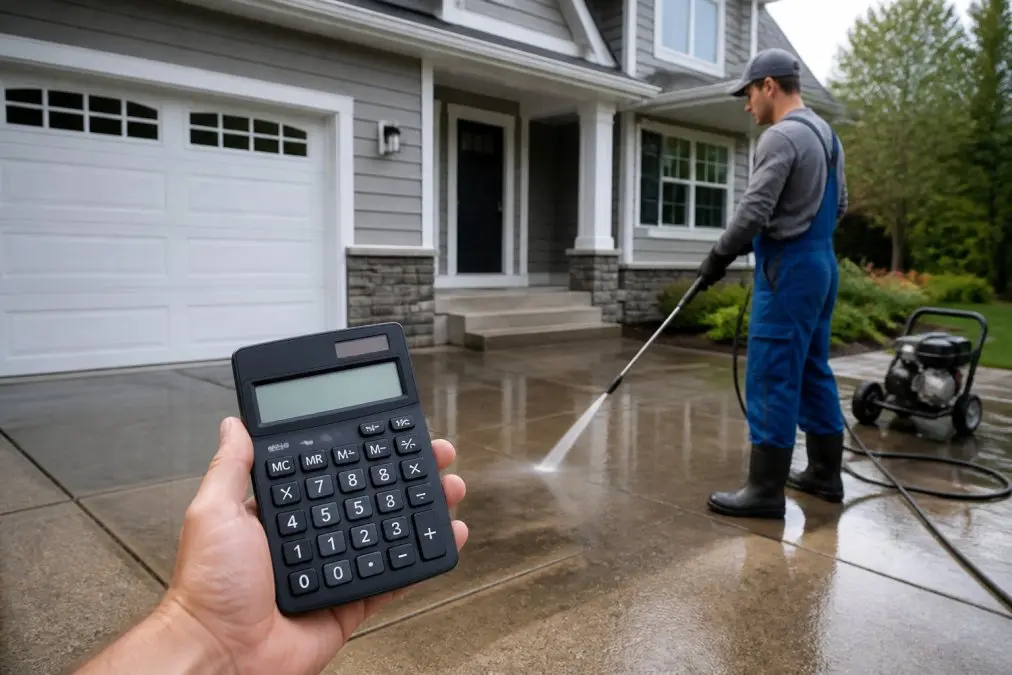
The typical residential pressure washing job costs between several hundred and several thousand dollars, depending on your home’s size, surface type, and condition. Most homeowners pay more for larger properties, multi-story homes, and heavily soiled surfaces that require specialized treatment.
A standard single-story home with moderate dirt typically falls in the mid-range, while homes with mold or staining may require soft washing or additional treatments that increase the price. Two-story homes command higher fees due to safety equipment and labor needed to reach upper levels. The complexity of your property’s layout, multiple decks, long driveways, or roofs needing attention, also affects the final bill.
When you contact Carters Precision Pressure Washing for an estimate, the team evaluates your specific situation rather than quoting a generic price. This approach ensures you’re paying for what your property actually needs.
Request estimates from multiple providers and ask specifically what’s included in each quote. Some companies bundle services while others charge separately for roof cleaning, gutter work, or chemical treatments. Comparing apples to apples helps you understand the true cost differences.
Pressure Washing Cost Per Square Foot Explained
Pressure washing cost per square foot varies widely based on surface type, accessibility, and cleaning difficulty. This metric gives you a rough framework for comparing quotes, though it’s not the only factor that matters.
Straightforward driveway or concrete cleaning typically shows lower per-square-foot rates since the work is accessible and doesn’t require special equipment. Roof cleaning costs significantly more per square foot because of safety requirements and the risk of damage to delicate roofing materials. Vinyl siding falls somewhere in the middle, accessible but requiring careful pressure control.
A heavily stained driveway costs more to clean than a lightly soiled one of the same size. A roof with active mold requires different chemical treatment than one with light algae. These variables mean two homes of identical square footage can have vastly different cleaning costs.
Larger jobs spread fixed costs (equipment setup, travel time, crew coordination) across more square footage, which can lower the per-unit price. Smaller jobs concentrate these costs across fewer square feet, raising the effective rate. When evaluating quotes, ask providers to break down costs by surface type rather than relying solely on the square-foot metric.
Factors Affecting Pressure Washing Estimates
Several key variables determine what you’ll actually pay for pressure washing.
Surface Type and Material
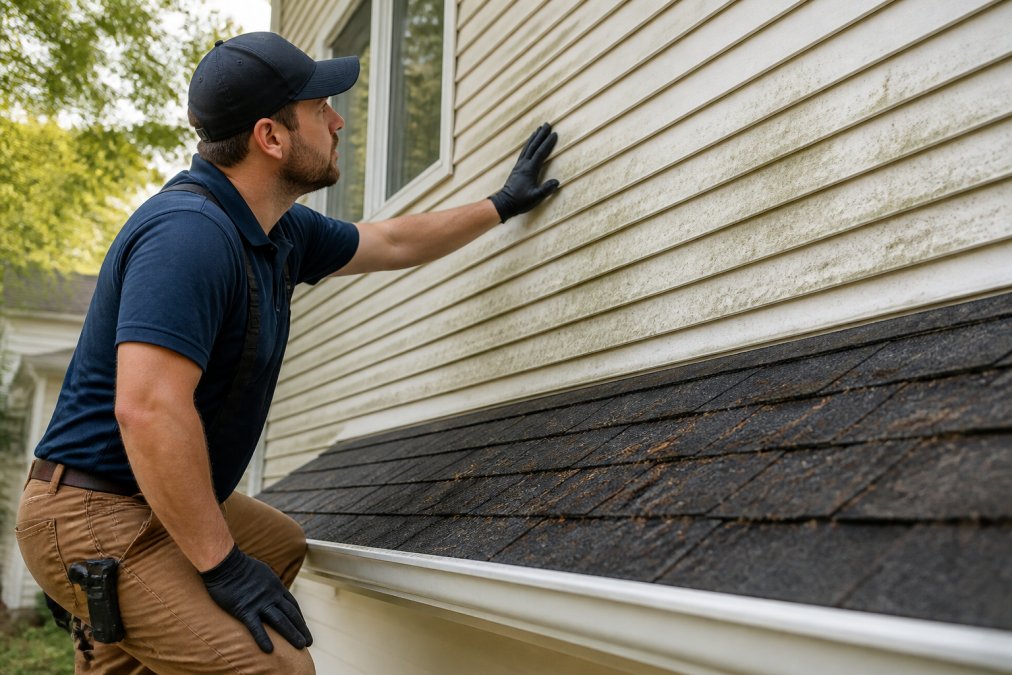
Different surfaces require different techniques and equipment. Concrete and asphalt can handle high-pressure washing without damage, making them relatively affordable to clean. Vinyl siding, wood decks, and delicate painted surfaces need lower pressure or soft washing methods that take longer and cost more.
Roof cleaning typically commands premium pricing because of safety protocols and the risk of shingle or tile damage (osha.gov). Composite decking, natural stone, and stucco similarly require specialized approaches that increase labor time and expertise. A concrete driveway sealed within the last few years cleans easily and costs less than unsealed concrete with deep stains.
Property Height and Accessibility
Single-story homes cost less to clean than two-story or three-story properties. Reaching second-story siding or a roof requires safety equipment, extended hoses, and careful positioning, all of which add labor costs. Accessibility matters too, a home with clear space around it costs less than one surrounded by landscaping or tight fencing that limits equipment placement.
Stain Severity and Mold Removal
Light surface dirt costs less to remove than heavy staining, rust marks, or years of accumulated grime. Mold and mildew removal typically requires chemical treatment before pressure washing, which adds materials and time. Rust stains from metal fixtures, oil stains from vehicles, and algae growth all demand different treatment approaches.
Pressure washing a roof with active mold without proper chemical treatment can damage shingles and spread spores ([the CDC](https://www.cdc.gov/mold-health/about/index.html)). Professionals use appropriate chemical solutions and lower pressure to protect your roof while effectively removing growth. Attempting this yourself often causes costly damage.
Soft Washing vs Pressure Washing Cost
Soft washing vs pressure washing cost differs significantly because soft washing uses lower pressure combined with specialized cleaning solutions. Soft washing costs more per hour because it’s slower and requires chemical expertise. However, for delicate surfaces like vinyl siding, wood, or roofs, soft washing is the only safe option. High-pressure washing these materials risks paint damage, wood splintering, or shingle granule loss.
Pressure washing concrete, driveways, and heavily soiled surfaces costs less because the work moves faster and requires fewer specialized materials. Some properties benefit from a hybrid approach: soft washing delicate areas like siding and roof, while using higher pressure on concrete surfaces. This combination costs more than single-method cleaning but ensures every surface gets appropriate treatment.
The cheapest option isn’t always the best value. A pressure washer who quotes low by using excessive pressure on soft surfaces might save you money today but cost you thousands in repairs tomorrow.
Pricing by Service Type and Surface
Different cleaning services carry different price tags based on the work involved and materials required.
Driveway and Concrete Cleaning
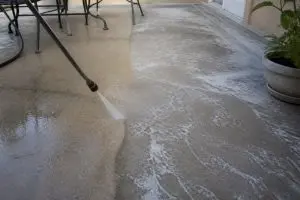
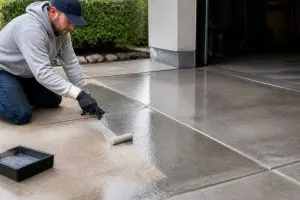
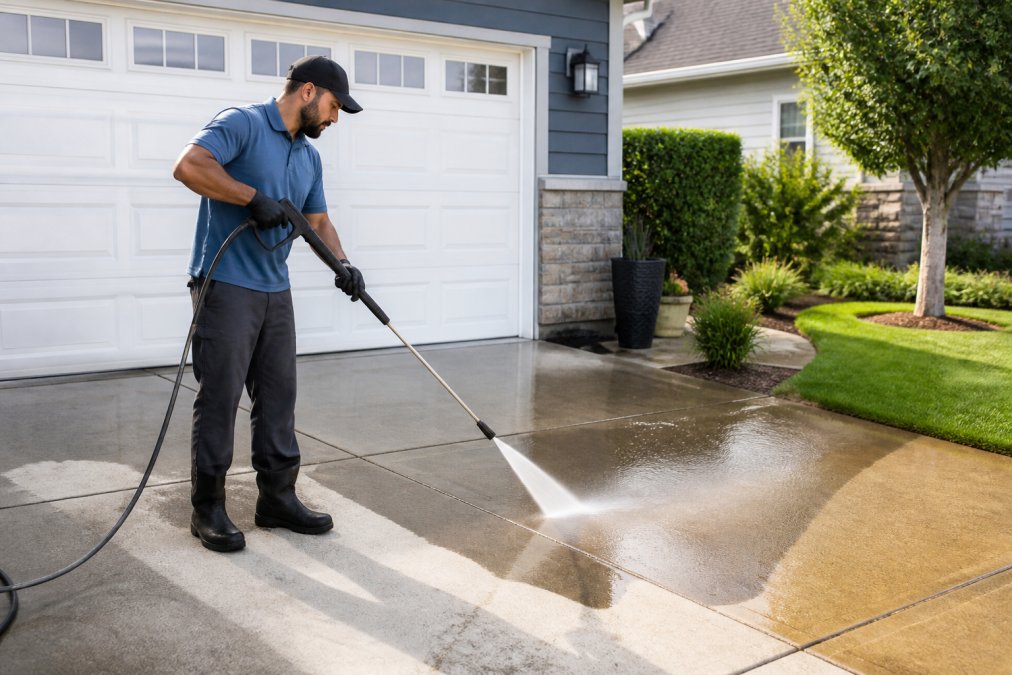
Driveway cleaning represents one of the most common pressure washing services. Standard concrete cleaning without heavy staining typically falls at the lower end of the pricing spectrum. Stained driveways with oil marks, rust, or years of grime buildup cost more because they require pre-treatment or extended washing time. Sealed concrete costs less to maintain than unsealed surfaces, which absorb stains more deeply.
Concrete patios and walkways follow similar pricing patterns. Larger surface areas cost less per square foot due to economy of scale, while small decorative concrete features might have minimum service charges.
Roof and Siding Restoration
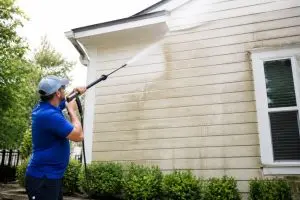
Roof cleaning typically costs significantly more than driveway cleaning due to safety equipment, specialized techniques, and the risk of damage. Professionals use soft washing or low-pressure methods to protect shingles while removing mold, algae, and moss growth (the EPA). Vinyl siding cleaning requires careful pressure control to avoid damage. Wood siding costs even more because it needs soft washing and sometimes wood-safe chemical treatments.
Gutter cleaning frequently bundles with roof or siding work, though some providers charge separately. The cost depends on gutter length, accessibility, and debris volume.
Deck and Patio Restoration
Wooden deck cleaning requires soft washing to protect the wood fibers and finish. Pressure washing wood can cause splintering and damage that leads to costly repairs. Composite decking needs even gentler treatment than wood. Concrete patios and pavers clean effectively with moderate pressure, though paver cleaning takes longer than solid concrete because water can seep between pavers.
The most cost-effective approach matches the cleaning method to each surface type. Mixing soft washing for delicate areas with pressure washing for durable surfaces protects your property while controlling costs.
Hidden Costs and Service Bundling
Chemical treatments for mold, mildew, or algae removal add material costs to your estimate. Some providers include basic cleaning solutions in their base price, while others charge separately for specialized treatments. Equipment rental or special access fees appear on some estimates if your property requires extended hoses, elevated work platforms, or specialized safety equipment.
Service bundling often saves money. Cleaning your roof, siding, driveway, and deck together costs less than booking each service separately. Providers can schedule work efficiently and spread equipment setup costs across multiple services. Seasonal pricing variations affect costs, spring and fall represent peak demand, while winter and summer typically offer lower rates.
Maintenance contracts sometimes offer better value than one-time cleaning. Annual or biannual cleaning prevents heavy buildup and reduces the intensity required at each visit.
How to Get an Accurate Pressure Washing Estimate
Getting reliable estimates requires providing detailed information about your property and cleaning needs.
Start by photographing the areas you want cleaned, including close-ups of staining or problem areas. Provide accurate measurements or square footage for major surfaces. Describe the current condition honestly, mention mold, mildew, heavy staining, or rust marks. Clarify what services you want included and ask providers to explain their pricing with a breakdown showing costs for labor, materials, equipment, and any special services.
When Carters Precision Pressure Washing provides an estimate, the team explains what’s included, what’s not, and why the price reflects your property’s specific needs. This transparency helps you understand the value you’re receiving and make confident decisions about your cleaning investment.
When it comes time to restore your home’s exterior, understanding pressure washing costs puts you in control of the decision. The right professional matches their methods to your surfaces, protects your property, and delivers results that enhance your curb appeal. Carters Precision Pressure Washing specializes in expert pressure washing and soft washing for roofs, houses, and various exterior surfaces to restore their appearance and cleanliness. Call for a free estimate and discover how professional cleaning can transform your property’s appearance while protecting your investment.
| Service Type | Surface Examples | Typical Approach | Relative Cost |
|---|---|---|---|
| Driveway & Concrete | Driveways, walkways, patios | High-pressure washing | Lower |
| Roof Cleaning | Asphalt shingles, tiles | Soft washing + chemicals | Higher |
| Siding Restoration | Vinyl, wood, brick, stucco | Soft washing or moderate pressure | Medium-High |
| Deck & Patio | Wood, composite, pavers | Soft washing or low pressure | Medium |
| Gutter Cleaning | Debris removal, downspout clearing | Manual + low pressure | Lower-Medium |
Frequently Asked Questions
What is a fair price for residential pressure washing in 2026?
Fair pricing depends on your property size, surface type, and condition. Homes with significant mold, mildew, or staining typically cost more than routine maintenance cleaning. Request quotes from multiple providers to compare, professional companies should offer free estimates. Pricing models vary: some charge by square footage, others use flat rates or hourly billing. Always ask what’s included in the estimate, such as detergent application and surface protection for landscaping.
How do professionals calculate pressure washing costs per square foot?
Cost per square foot typically ranges based on surface type and condition. Professionals assess the total cleanable area, surface material (concrete, vinyl, wood), stain severity, and accessibility. A one-story home with a standard driveway will cost less per square foot than a multi-story property with complex roofing. Equipment requirements and labor time also factor in. Ask your provider how they calculate their per-square-foot rate to ensure transparency.
Is there a difference in cost between soft washing and pressure washing?
Yes. Soft washing uses lower pressure and specialized detergents, making it ideal for delicate surfaces like vinyl siding, stucco, and roofs. It typically costs more per square foot due to longer application times and chemical expenses. High-pressure washing works faster on concrete and driveways but risks damage to softer materials. Your provider should recommend the right method based on your surfaces, don’t assume higher pressure means better value.
What factors besides square footage influence pressure washing pricing?
Surface type, stain severity, property height, and site conditions all affect cost. Mold and mildew removal requires specialized treatment. Multi-story homes with roof access challenges cost more due to safety equipment and labor. Environmental surcharges may apply for chemical disposal. Bundling multiple services (driveway, siding, and gutter cleaning) often reduces the per-service cost. Ask your provider about any additional fees for obstacles, landscaping protection, or water runoff management.
How often should I have my home professionally pressure washed to maintain value?
Most homeowners benefit from annual or bi-annual pressure washing. High-traffic areas like driveways may need yearly cleaning. Roofs and siding in humid climates prone to mold should be cleaned every 1-2 years. Regular maintenance prevents deep staining and extends the life of exterior surfaces, protecting your property investment. Professional cleaning is more cost-effective long-term than replacing damaged siding or concrete.
Does the size of my home significantly impact pressure washing quotes?
Yes, square footage is a primary pricing factor. A 2,000 sq ft house will cost less than a 5,000 sq ft property. However, layout matters too, a home with extensive decking, multiple roof lines, or complex architecture may cost more than a simpler larger home. Single-story properties are typically cheaper than multi-story homes due to accessibility. Always provide accurate measurements and describe all surfaces you want cleaned when requesting a quote.
Can pressure washing damage my roof or siding?
High-pressure washing can damage older siding, crack stucco, or strip paint if applied incorrectly. Roofs require especially careful handling, excessive pressure can dislodge shingles or damage flashing. Professional providers use appropriate PSI levels for different materials and employ soft washing on delicate surfaces. Always hire experienced professionals who understand your home’s specific materials. Ask about their approach to roof and siding cleaning before booking.