

Table of Contents
- How to Prepare Your House for Professional Pressure Washing Service
- Create a Pressure Washing House Preparation Checklist
- Moving Outdoor Furniture, Toys, and Other Obstacles
- How to Protect Plants During Pressure Washing
- Securing Electrical Outlets, Cords, and Appliances
- What Not to Do When Pressure Washing a House
- Preparing Your Home for a Professional House Washing Service
- Frequently Asked Questions
Last Updated: October 7, 2026
How to Prepare Your House for Professional Pressure Washing Service
Preparing your home before a professional pressure washing service arrives makes the process smoother and safer. Homeowners who prepare ahead avoid damage, protect their belongings, and get better results. This guide covers everything you need to do to prepare house pressure washing for professional service.
Professional pressure washing uses high-velocity water spray to remove dirt, mold, mildew, and grime from exterior surfaces. That pressure can damage or dislodge items left in the work area. Proper preparation means clearing obstacles, securing electrical hazards, and protecting plants and outdoor items, so the crew works faster and your property stays safe.
Create a Pressure Washing House Preparation Checklist
A simple checklist keeps you organized. Breaking preparation into one week before, two days before, and day of service makes the work manageable and prevents last-minute scrambling.
One Week Before Service
Start early so you can handle bigger tasks without rushing.
Walk around your house and note all outdoor furniture, toys, decorations, and potted plants in the work zones. List what must be relocated or protected to prevent surprises on service day.
Contact your contractor to confirm the appointment time, ask which surfaces they’ll clean, and raise any concerns. Mention older siding, delicate plants, or water runoff worries now to prevent misunderstandings later.
Walk around the exterior and note where outlets, air conditioning units, light fixtures, and other electrical equipment are located, since you’ll need to cover them before service begins.
If you have delicate plants, flower beds, or a vegetable garden, decide now how you’ll shield them, whether with tarps, moving potted plants, or trimming branches over work areas.
Two Days Before Service
Two days ahead gives you time to complete physical tasks without stress.
Move patio furniture, lawn chairs, grills, children’s toys, and decorative items into a garage, shed, or interior room where water spray won’t reach them. Don’t just push items aside, move them completely out of the work zone.
Cut tree branches that hang over the roof or siding, move potted plants away from the house, and trim shrubs back from the walls to protect foliage and keep branches out of the way.
Walk around and check that every exterior door closes completely and every window locks shut, including sliding glass doors. Water can seep through gaps, so seals must be tight.
Gather tarps, plastic sheeting, or waterproof tape now so you can cover outdoor outlets, light switches, and exposed electrical equipment without waiting until the last minute.
Day of Service
A few final checks on the morning of service keep everything on track.
Walk around your property for missed items like garden hoses, extension cords, decorative planters, or equipment. Move anything still in the work zone and confirm doors and windows are closed.
Use plastic sheeting and waterproof tape to seal outlets, light fixtures, and exposed electrical equipment, making sure covers are secure against water pressure.
Bring dogs, cats, and other animals inside well before the crew arrives, and keep children and family members indoors during service. High-pressure water and noise can frighten pets and pose safety risks.
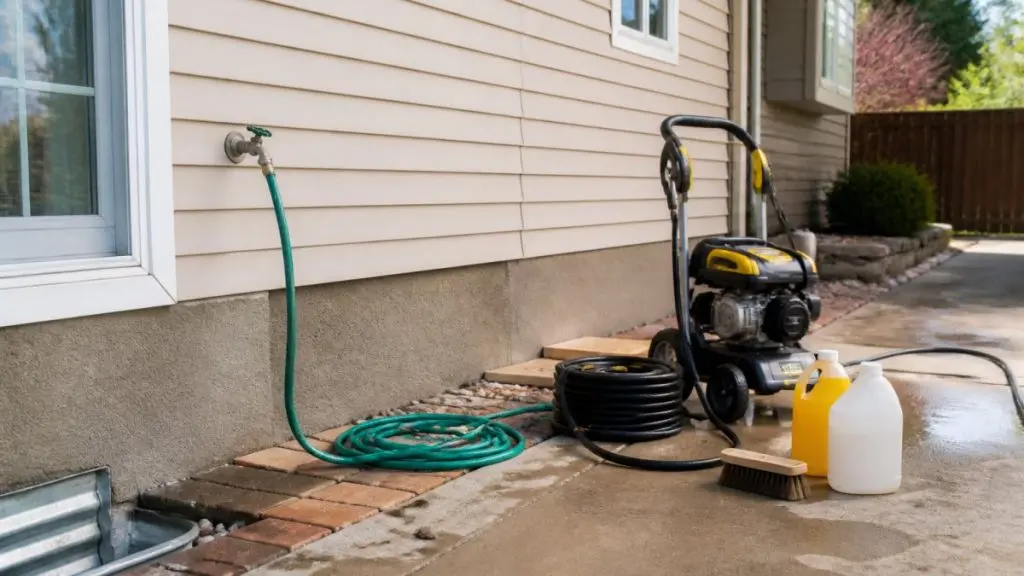
Show the crew where outdoor water spigots are located and where to safely connect electrical equipment if needed, clearing the path to these utilities.
Set phone reminders for each preparation stage. A week-before reminder, a two-days-before reminder, and a day-of reminder help you stay on schedule and avoid forgetting important tasks.
Moving Outdoor Furniture, Toys, and Other Obstacles
Clearing the work area is one of the most important preparation steps. Pressure washing water moves fast and with force, anything in its path can get damaged or become a hazard.
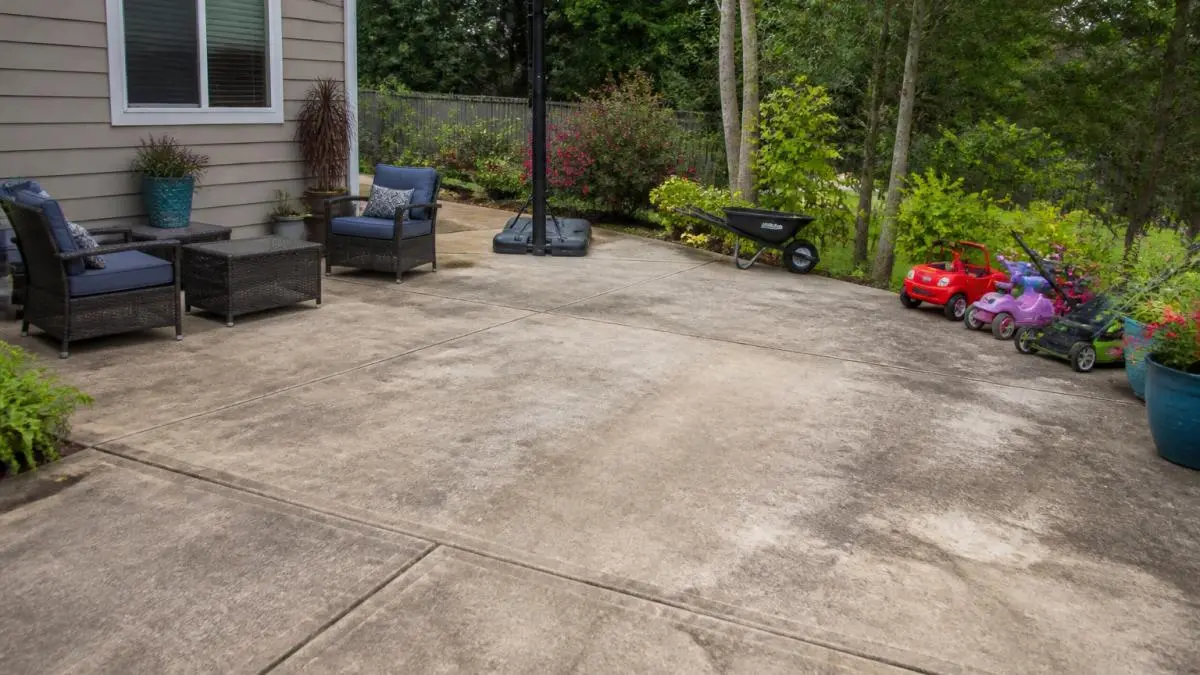
Walk through your yard and note lawn chairs, patio tables, grills, planters, garden tools, hoses, extension cords, decorative items, children’s toys, sports equipment, and outdoor rugs.
Use a garage, shed, or interior room where items won’t get wet, or a neighbor’s garage or storage unit if needed. The point is getting items far enough away that water spray won’t reach them.
If you have a lot of stuff, move the biggest pieces first, then smaller items like planters and toys, and leave a final clearing for the morning of service.
Don’t just push items to the side of the house. Furniture against the wall or in corners still blocks work areas, so move items completely away from the house perimeter.
Leaving extension cords, hoses, or electrical equipment in the spray zone creates serious hazards. Water and electricity don’t mix. Remove all cords and hoses before the service begins, and cover any outlets or fixtures that can’t be moved.
How to Protect Plants During Pressure Washing
Your landscaping deserves protection during a professional pressure washing service. High-pressure water can damage delicate plants, strip leaves, and harm root systems.
Bring container gardens, hanging baskets, and potted flowers indoors or to a sheltered location. Even plants several feet from the house can be damaged by spray bounce-back or overspray.
Cut branches back at least 2-3 feet from siding, roofing, or other areas being cleaned to keep foliage away from high-pressure water and out of the way.
For flower beds, vegetable gardens, or sensitive shrubs near the work area, drape lightweight tarps or plastic sheeting and secure the covers so they don’t blow away. Remove covers after service.
Point out delicate landscaping, newly planted areas, or plants you want extra care around. Professional crews can adjust their approach to minimize impact.
Water your plants well the day before service. Hydrated plants are more resilient, and moist soil drains better if runoff occurs.
Securing Electrical Outlets, Cords, and Appliances
Water and electricity are a dangerous combination. Protecting electrical equipment is non-negotiable before pressure washing your house.
Walk around and identify every outdoor outlet on the front, back, and sides of your house, plus light switches, outdoor lighting fixtures, and other electrical equipment, so you don’t miss any when covering them.
Check your electrical panel for breakers labeled for outdoor outlets or exterior lighting and turn them off. Even with covers in place, shutting off power reduces electrical hazards.
Use plastic sheeting and waterproof electrical tape to seal outlets completely. Duct tape alone isn’t waterproof, so use proper waterproof tape or plastic covers, and make sure they’re tight and secure.
Move cords running along the house or across the yard indoors, or secure them well away from spray zones.
Cover air conditioning units and heat pumps with plywood or heavy plastic sheeting, securing it so it won’t blow away. Leave some ventilation so the unit doesn’t overheat, but keep water out.
Unplug outdoor security cameras, smart speakers, or other connected devices and bring them indoors. Water damage to electronics is expensive to repair.
The single most important safety step is covering electrical outlets and turning off outdoor circuits. Water hitting live electrical equipment can cause electrocution or fire. Don’t skip this step.
What Not to Do When Pressure Washing a House
Understanding what to avoid helps you prepare properly and prevents costly mistakes.
Don’t leave windows or doors open. Pressure washing water can force its way through small gaps and into your home. Close and lock everything before the crew arrives.
Don’t assume water won’t reach certain areas. Water spray bounces off surfaces and travels farther than you’d expect. Water can run under doors, seep through gaps, and spray around corners.
Don’t leave delicate items near work areas. Even items you think are far enough away can get damaged. Move anything valuable, fragile, or irreplaceable well away from the house perimeter.
Don’t forget about ground-level concerns. Water running off your house during pressure washing needs somewhere to go. If you have a basement, ensure water won’t pool against foundation walls.
Don’t ignore your contractor’s warnings or recommendations. If the crew points out concerns, cracked caulk, loose trim, or vulnerable areas, listen. They’ve seen what water damage looks like.
Don’t pressure wash immediately after heavy rain. Saturated soil and standing water can worsen drainage issues. Wait for the ground to dry out a bit first.
Preparing Your Home for a Professional House Washing Service
Beyond the physical preparation, a few administrative steps ensure the service goes smoothly.
Confirm Details With Your Contractor
Communication prevents surprises and ensures the crew knows what to expect. A few days before service, call or email your contractor to confirm key details.
Confirm the appointment time and expected duration. Ask how long the job typically takes so you can plan your day. If you need to be home during the service, make sure that works with the crew’s schedule.
Discuss which surfaces will be cleaned. Not all pressure washing is the same. Some surfaces need high pressure, others need soft washing.
Ask about water source and drainage. Will they use your outdoor spigot, or do they bring their own water supply? Where will runoff water go? Understanding these logistics helps you prepare your property.
Mention any surfaces you’re concerned about. If you have delicate siding, old paint, or materials you’re worried about, tell your contractor now. They can adjust their approach or recommend soft washing instead of high-pressure washing for sensitive areas.
Ask about any preparation they recommend beyond what you’ve already done. Every property is different. Your contractor might have specific suggestions based on your home’s condition and materials.
Document Your Property Before and After
Taking photos before and after the service creates a record of the work and helps with any insurance claims if damage occurs.
Take clear photos of all surfaces before the crew arrives. Get shots of the roof, siding, driveway, patio, and any other areas being cleaned. Include photos of electrical outlets and fixtures you’ve covered.
Take photos from the same angles after the service is complete. This before-and-after documentation shows the transformation and confirms the work was done properly.
Document any existing damage or concerns before service begins. If you notice cracked caulk, peeling paint, or loose trim before the crew arrives, photograph it. This protects you if the contractor is later accused of causing damage they didn’t cause.
Store photos in a safe place. Keep digital copies in cloud storage and print hard copies. If you ever need to reference them for insurance or contractor disputes, you’ll have clear documentation.
Preparing house pressure washing doesn’t have to be complicated when you follow the right steps. Follow this checklist, move obstacles, protect electrical equipment, and secure your plants.
Frequently Asked Questions
What should I do before a professional pressure washing service arrives?
Start preparation one week before. Move outdoor furniture, toys, and potted plants away from the work area. Close and lock all windows and doors. Cover electrical outlets near the exterior with waterproof covers. Trim back any low-hanging branches or shrubs. Secure pets indoors. Remove extension cords and appliances from the exterior. On the day of service, ensure the contractor has access to water and power sources, and confirm which surfaces will be treated.
How can I protect plants before a house wash?
Move potted plants and planters at least 10 feet away from the house exterior. For landscaping and trim plants you cannot move, water them thoroughly the day before to help them withstand pressure spray. Cover delicate plants with tarps or plastic sheeting. Inform your contractor about sensitive plants so they can adjust water pressure and spray patterns accordingly. Avoid using harsh detergents near plant beds, and request that the contractor use soft washing techniques on areas close to vegetation.
What are the main things I should avoid doing before pressure washing my house?
Do not leave electrical outlets uncovered or extension cords plugged in near exterior walls. Do not leave windows or doors open, water intrusion can damage interiors. Do not leave outdoor furniture, toys, or obstacles in the work area. Do not trim plants too aggressively; light trimming is enough. Do not assume the contractor will avoid certain surfaces; discuss surface-specific concerns upfront, especially with older siding, stucco, or painted trim. Do not skip before-and-after photos for documentation.
Should I close windows and doors before house washing?
Yes, always close and lock all windows and doors before the service begins. Even small gaps allow water to seep inside, potentially damaging drywall, insulation, flooring, or interior finishes. High-pressure water can force its way through weatherstripping or door seals. Check that all sliding doors, garage doors, and basement windows are fully closed. Inform your contractor which areas are most vulnerable to water intrusion so they can adjust their spray pattern and pressure accordingly.