
Table of Contents
- What Pressure Washing Companies Do
- Pressure Washing vs Soft Washing: Which Your Property Needs
- How to Hire a Pressure Washing Contractor: Key Steps
- Affordable Pressure Washing: What Affects the Cost
- Residential vs. Commercial Pressure Washing Services
- Why Professional Pressure Washing Delivers Better Results
- How Often Should You Schedule Pressure Washing?
- Frequently Asked Questions
Last Updated: September 22, 2026
What Pressure Washing Companies Do
Pressure washing companies provide professional exterior cleaning services using high-powered water jets to remove dirt, grime, mold, mildew, algae, and stains from residential and commercial properties. At Carters Precision Pressure Washing, we specialize in restoring the appearance of roofs, siding, driveways, patios, and other exterior surfaces. The work involves specialized equipment that delivers water at controlled pressures to clean effectively without damaging underlying materials.
The core service is straightforward: trained professionals arrive with industrial-grade equipment, assess your property’s specific needs, and apply the appropriate cleaning method. For surfaces like wood siding or delicate brick, technicians adjust pressure settings carefully. For concrete driveways or commercial storefronts, they use higher pressures to tackle stubborn stains and buildup.
Beyond basic cleaning, pressure washing companies often handle specialized work. Roof cleaning removes moss and algae that compromise shingles over time. Parking lot maintenance removes oil stains, gum, and debris that accumulate in high-traffic commercial areas. Each service requires different equipment, pressure settings, and cleaning solutions.
Pressure Washing vs Soft Washing: Which Your Property Needs
Not every surface benefits from the same cleaning approach. Understanding when to use pressure washing versus soft washing prevents costly damage and ensures your property gets the right treatment for its specific condition.
When Pressure Washing Works Best
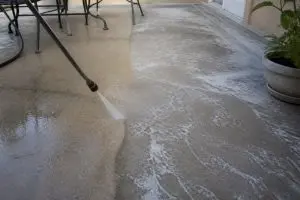
Pressure washing delivers results on hard surfaces that can withstand high-pressure water jets. Concrete driveways, patios, and sidewalks respond well to pressure cleaning, which blasts away years of accumulated grime, oil stains, and salt deposits. Sealed stone surfaces, metal structures, and commercial storefronts also handle pressure washing effectively. The cleaning happens quickly and thoroughly, making it ideal for properties where deep restoration is the priority.
The key is matching pressure settings to the surface. Concrete typically handles 3,000 to 4,000 PSI safely. Brick and stone require 2,500 to 3,500 PSI to avoid mortar damage. Commercial applications often demand even higher pressures for parking lots and loading areas. Professional pressure washing companies calibrate their equipment to the specific job, preventing the damage that DIY attempts often cause.
Pressure washing excels when you need visible, dramatic results quickly. Driveways transform from dingy gray to bright concrete in hours. Commercial entryways shift from grimy to pristine. Property managers dealing with heavy dirt accumulation find pressure washing delivers the deep cleaning that other methods cannot match.
When Soft Washing Is the Right Choice
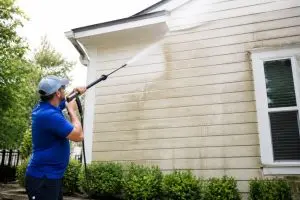
Soft washing uses lower pressures, typically under 500 PSI, combined with biodegradable cleaning solutions to safely clean delicate surfaces. Older wood siding, vinyl, painted surfaces, and roofing shingles require soft washing to prevent stripping paint, cracking materials, or forcing water behind protective barriers.
Soft washing also addresses biological growth more effectively on certain surfaces. Mold, mildew, and algae on wood or asphalt shingles respond better to chemical treatment than pressure alone. The cleaning solution kills the growth at its source, preventing rapid return of the problem.
Homes with older exteriors, delicate finishes, or historic features benefit from soft washing’s gentler approach. It protects your investment while still delivering professional-quality cleaning. Many properties require a combination: soft washing for siding and roof, pressure washing for concrete surfaces.
How to Hire a Pressure Washing Contractor: Key Steps
Choosing the right contractor prevents expensive mistakes and ensures quality results. The hiring process matters as much as the cleaning itself.
Verify Licensing and Insurance
Before engaging any contractor, confirm they carry proper licensing and insurance coverage. Insurance protects you if equipment damages your property or a worker gets injured on your premises. Request proof of both general liability insurance and workers’ compensation coverage.
Request References and Before-and-After Photos
Experience with your specific property type matters. Ask for references from customers whose homes or businesses resemble yours.
Before-and-after photos reveal the contractor’s actual capabilities. Look for dramatic transformations that show attention to detail. Photos should display clean lines, protected landscaping, and results that look professional rather than just wet. If a contractor cannot provide recent examples of work similar to yours, that’s a warning sign.
Ask About Equipment and Cleaning Methods
Professional contractors use commercial-grade equipment, not consumer models. Ask what pressure ranges their equipment delivers and whether they adjust settings for different surfaces. Inquire about the cleaning solutions they use, specifically whether they employ biodegradable, environmentally safe products.
A contractor who explains their process demonstrates expertise. They should discuss surface assessment, pressure selection, protective measures for landscaping, and post-cleaning care. If someone quotes a job without inspecting your property or discussing method details, they’re likely cutting corners.
Affordable Pressure Washing: What Affects the Cost
Pricing varies significantly based on factors beyond just company reputation. Understanding what drives costs helps you evaluate quotes fairly.
Surface Size and Type
Square footage is the primary cost driver. A small patio costs less than a full house exterior. However, surface type matters equally. Concrete requires different equipment and pressure settings than wood siding or asphalt shingles. Roofs demand specialized equipment and safety precautions that increase labor costs. When comparing quotes, ensure each contractor is pricing the same scope of work.
Accessibility affects pricing too. Ground-level driveways cost less than multi-story house exteriors requiring lifts or ladders. Properties with obstacles, tight spaces, or complex layouts require more time and careful equipment maneuvering, increasing costs.
Cleaning Complexity and Stain Severity
Routine maintenance cleaning costs less than deep restoration. A driveway with light surface dirt cleans faster than one with years of oil stains and embedded grime. Biological growth like mold or algae may require chemical treatment before pressure washing, adding to the total cost. Rust stains, paint overspray, or specialized stain removal demand extra labor and sometimes additional products.
Professional contractors assess complexity during the estimate phase. They should explain why certain jobs cost more and what specific challenges they’ll address.
Chemical Treatments and Protective Coatings
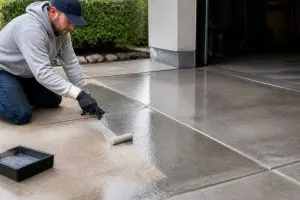
Basic pressure washing doesn’t include chemical treatments, but many jobs benefit from them.
Residential vs. Commercial Pressure Washing Services
Residential and commercial cleaning address different priorities and property characteristics, though many pressure washing companies handle both.
Residential work focuses on curb appeal and property maintenance. Homeowners typically need driveway cleaning before selling, roof cleaning to prevent damage, or siding restoration to refresh appearance. The work is usually scheduled at the homeowner’s convenience and often involves smaller surface areas. Results directly impact property value and first impressions.
Commercial pressure washing addresses high-traffic areas and professional image. Retail storefronts need clean entryways to attract customers. Office buildings require maintained sidewalks and parking areas for safety and appearance. Industrial facilities deal with oil stains, grime buildup, and debris that accumulate faster than residential properties. Commercial work often happens on tighter schedules and may require evening or weekend service to avoid disrupting business operations.
Both require professional expertise, but commercial jobs often demand more frequent service and higher pressure capabilities.
Why Professional Pressure Washing Delivers Better Results
Proper Pressure Settings Protect Your Property
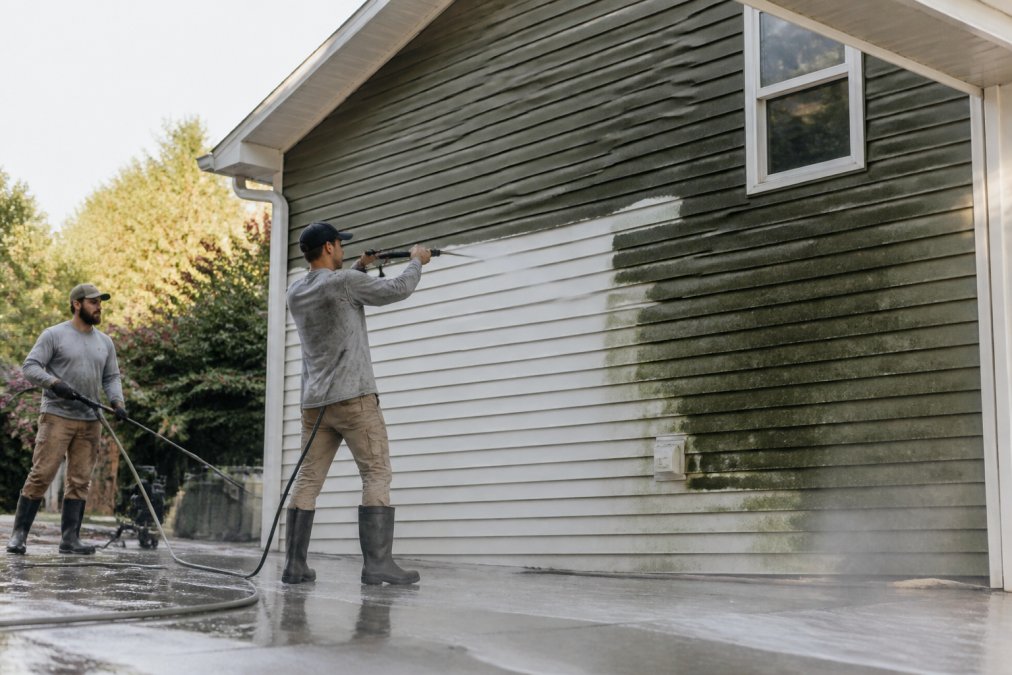
Equipment calibration is critical. Consumer pressure washers often run at fixed, excessive pressures that damage surfaces. Professional contractors assess each surface and adjust accordingly. Wood siding gets 1,500 to 2,500 PSI. Vinyl requires similar careful treatment. Concrete handles 3,000 to 4,000 PSI. Roofing demands specialized soft-washing approaches.
Results Last Longer Than DIY Cleaning
Professional cleaning addresses root causes, not just surface appearance. When a contractor applies appropriate chemical treatments before pressure washing, they’re killing biological growth rather than temporarily blasting it away. Mold returns quickly after DIY pressure washing because the underlying spores remain. Professional soft washing with proper solutions prevents regrowth for months.
Environmental Safety and Chemical Selection
Professional contractors understand environmental impact and safety regulations. Biodegradable cleaning solutions protect your landscaping, pets, and local water systems. Improper chemical use can damage plants, harm aquatic life, and create liability issues. Professionals know which products work effectively while remaining safe for your property and surroundings.
How Often Should You Schedule Pressure Washing?
Maintenance frequency depends on your property type, climate, and current condition.
| Property Type | Recommended Frequency | Reason |
|---|---|---|
| Residential driveway | Annually | Prevents oil stains and dirt accumulation |
| House siding | Annually | Removes mold, mildew, and grime |
| Roof | Every 2-3 years | Controls algae and moss growth |
| Commercial storefront | Monthly to quarterly | Maintains professional appearance |
| Parking lot | 2-4 times annually | Removes oil stains and debris |
Frequently Asked Questions
What’s the difference between pressure washing and soft washing?
Pressure washing uses high-pressure water (typically 1,500-4,000 PSI) to remove stubborn stains, grime, and algae from concrete, driveways, and decks. Soft washing applies lower pressure with specialized cleaning solutions to safely clean delicate surfaces like roofs, siding, and painted areas. Pressure washing is faster for heavy-duty cleaning, while soft washing protects surfaces from damage and is ideal for preventative maintenance.
How do I know if a pressure washing company is properly licensed and insured?
Ask the contractor directly for proof of liability insurance before hiring. Insured contractors carry general liability insurance to protect your property if damage occurs. Request a certificate of insurance and confirm the coverage dates are current. Never hire a company that refuses to provide this documentation.
How often should I hire pressure cleaning companies for my home?
Most residential properties benefit from professional pressure washing once or twice per year. Homes in humid climates or shaded areas prone to mold and mildew may need cleaning every 6-12 months. Driveways and concrete surfaces typically need attention annually or every other year depending on traffic and weather exposure. Roofs should be professionally cleaned every 1-3 years to prevent algae buildup and extend shingle life.
Will pressure washing damage my roof, siding, or paint?
Professional pressure washing companies use appropriate PSI settings for each surface type to prevent damage. Roofs and painted siding require lower pressure (under 1,500 PSI) and soft washing techniques, while concrete can handle 3,000-4,000 PSI. Inexperienced contractors or DIY attempts often strip paint or crack stucco by using excessive pressure. Hiring a professional ensures the right equipment and technique are used for your specific surfaces, protecting your property investment.