Table of Contents
- Why a Roof Cleaning Maintenance Plan Matters
- Common Roof Contaminants and Climate Challenges
- Professional Roof Cleaning Frequency: How Often Your Roof Needs Attention
- Soft Wash vs. Pressure Washing: Choosing the Right Method
- Residential Roof Maintenance Checklist for Homeowners
- Pressure Washing Cost for Roof Cleaning: What to Expect
- Building Your Year-Round Roof Maintenance Schedule
- Conclusion
- Frequently Asked Questions
Last Updated: September 21, 2026
Why a Roof Cleaning Maintenance Plan Matters
Your roof faces constant threats: pooling rain, accumulated debris, algae, and moss. A roof cleaning maintenance plan protects one of your biggest investments, it’s not just about appearance.
Ignored roofs fail prematurely. A roof that should last 20 years fails in 12. Reactive maintenance always costs more than proactive care.
A roof cleaning maintenance plan extends lifespan, preserves property value, and catches problems early. This guide provides actionable steps for your climate and roofing material.
Most homeowners wait until visible damage appears. By then, you’re paying for repairs, not prevention. A maintenance plan catches issues during annual inspections, when they’re still cheap to fix.
Common Roof Contaminants and Climate Challenges
Your roof faces a specific set of threats depending on where you live and what materials your roof is made from. Understanding what’s attacking your shingles, and why, helps you choose the right cleaning method, schedule, and material upgrades.
Algae buildup appears as dark streaks on north-facing sides where moisture lingers. It retains moisture that accelerates deterioration and spreads quickly in humid conditions.
Moss growth is thicker and more destructive than algae. It roots into shingle granules, creating gaps where water penetrates and causing rapid shingle deterioration.
Lichen appears as crusty, gray-green patches that damage shingles by breaking down the protective surface layer and indicate years of neglect.
Debris accumulation clogs gutters and valleys, causing water to pool on the roof surface, the fastest path to structural damage and premature failure.
Climate-Specific Material Degradation
Heat and UV exposure: Asphalt shingles degrade 15-20% faster in high-heat regions, requiring replacement at 15-18 years instead of 20-25 years. Clay and concrete tile perform better in intense heat, lasting 40-60 years despite higher upfront costs.
Santa Ana winds and debris impact: High winds (40+ mph) compact debris into blockages and crack shingles. A maintenance plan must include post-wind inspections and professional gutter flushing to clear compacted debris.
Temperature swings and freeze-thaw cycles: Winter temperature swings cause expansion and contraction that stress flashing seals and create ice dams, forcing water under shingles and accelerating seal failure.
Coastal salt spray: Salt-laden air corrodes metal components; stainless steel or aluminum flashing is necessary. Salt accelerates algae growth and requires more frequent professional inspections (every 6-9 months) and soft wash cleaning.
Material-specific considerations:
- Asphalt shingles: Expect 15-18 year lifespan in high-heat regions. Use soft wash only; pressure washing strips granules. Professional cleaning every 2-3 years prevents algae-driven moisture retention.
- Clay and concrete tile: Lasts 40-60 years. Soft wash only; tiles crack from pressure. Grout requires periodic regrouting in freeze-thaw cycles.
- Metal roofing: Excellent UV and heat resistance. Inspect fasteners and seals annually for rust.
The contaminants on your roof are telling you something: algae means moisture retention, moss means neglect, debris means clogged drainage. But the rate at which these problems develop depends entirely on your climate and material. A maintenance plan that works for asphalt shingles in a temperate zone will fail for the same material in a high-heat region. Your plan must account for regional climate pressures and your specific roofing material.
Professional Roof Cleaning Frequency: How Often Your Roof Needs Attention
Professional inspection every 12 months catches problems early. If algae or moss appears, schedule cleaning before it spreads.
Full professional roof cleaning is typically needed every 2-3 years in humid climates, 3-5 years in drier climates, and more frequently in coastal areas due to salt spray.
After storms or heavy debris events, schedule an inspection within 48 hours. Fallen branches, accumulated leaves, and displaced shingles can cause rapid damage if left unaddressed.
Regular inspections catch problems early, when they’re easiest and cheapest to fix. A professional roof cleaning maintenance plan includes quarterly visual checks, annual detailed inspections, and cleaning only when needed.
Regular inspections catch small issues before they become big ones. A professional assessment costs far less than repairing water damage or premature replacement.
Soft Wash vs. Pressure Washing: Choosing the Right Method
Not all roof cleaning methods are equal. Choose the wrong one and you’ll damage shingles, strip protective granules, or void your warranty.
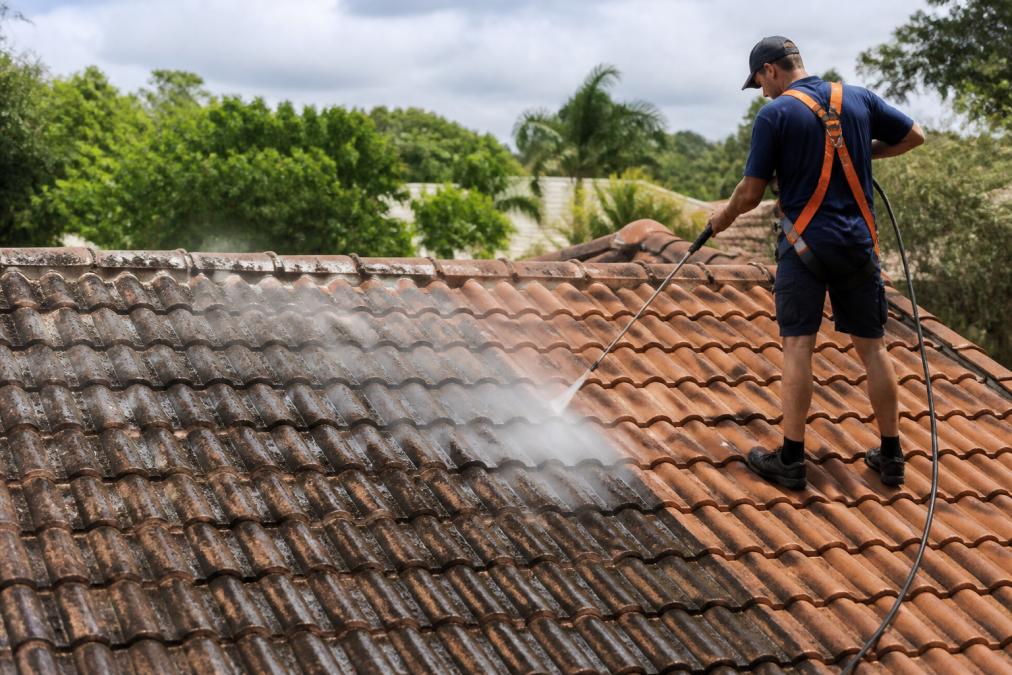
Soft wash cleaning uses low-pressure water and specialized solutions to eliminate algae, moss, and lichen without damaging shingles. It kills organic growth at the root and is ideal for asphalt shingles, clay tiles, and older roofs.
Pressure washing uses high-pressure jets to blast contaminants but strips shingle granules, cracks tiles, and forces water under shingles. It’s appropriate only for metal roofs and heavily soiled surfaces.
Soft wash prevents damage while cleaning; pressure washing risks damage. For asphalt shingles, pressure washing shortens lifespan by stripping protective granules. Soft wash preserves your roof’s protective layer and warranty compliance.
Pressure washing your asphalt shingle roof yourself is a common mistake that costs homeowners thousands in premature replacement. The damage isn’t visible immediately, but it compounds over years. Use soft wash or hire professionals trained in safe roof cleaning methods.
Residential Roof Maintenance Checklist for Homeowners
A roof cleaning maintenance plan requires regular hands-on attention between professional cleanings. This checklist covers the inspections and tasks you can perform yourself.
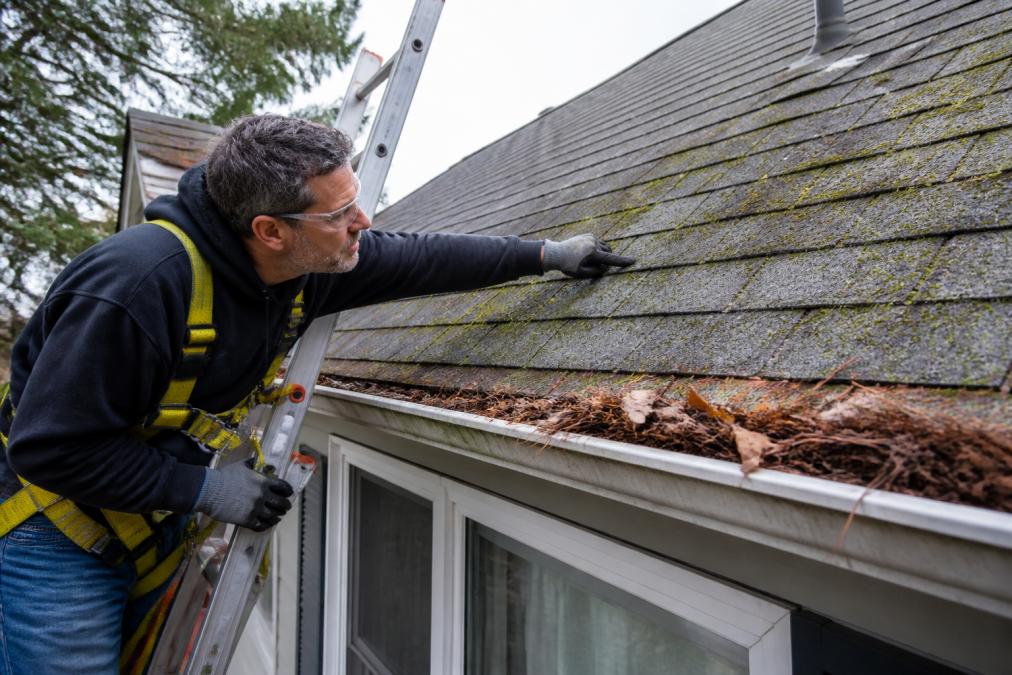
Monthly: Look for algae streaks, check gutters for debris, scan for displaced shingles after storms.
Quarterly: Inspect gutters, flashing, and north-facing sections for moss. Note pooling water.
Annually: Hire a professional to assess shingle condition, check for granule loss, inspect underlayment, and document with photos.
As-needed: Remove debris, clear valleys, trim overhanging branches, repair flashing gaps immediately.
| Task | Frequency | Time Required | Priority |
|---|---|---|---|
| Visual ground inspection | Monthly | 10 minutes | High |
| Gutter cleaning | Quarterly | 30-45 minutes | High |
| Flashing inspection | Quarterly | 15 minutes | High |
| Professional assessment | Annually | 1 hour | High |
| Debris removal | As needed | 20-30 minutes | Medium |
Pressure Washing Cost for Roof Cleaning: What to Expect
Cost is a real concern. You want to know what professional roof cleaning actually costs, whether it’s worth the investment, and what financial protections it provides.
Pricing Factors
Professional roof cleaning costs vary by roof size, condition, material, and method. Soft wash costs more than pressure washing but extends lifespan and protects insurance coverage.
Pricing factors: roof square footage, pitch steepness, moss/algae severity, accessibility, and material type. Tile and metal roofs require more careful handling than asphalt shingles.
When comparing quotes, don’t choose based on price alone. Ask specifically what method they use, what solutions they apply, and what warranty they provide.
The Hidden Financial Value: Insurance and Warranty Protection
Professional roof maintenance documentation protects two critical financial interests: insurance claim validity and manufacturer warranty compliance.
Insurance claim protection: Insurers deny claims citing “lack of proper maintenance” if you lack documentation. Professional inspection reports with dated photos create a documented maintenance history that supports claims and prevents denials worth tens of thousands of dollars.
Manufacturer warranty compliance: Most asphalt shingle and tile manufacturers require documented maintenance to honor their warranty. Many warranties explicitly state that lack of professional inspection voids coverage. A typical manufacturer warranty requires:
- Annual professional inspection (documented with photos and written report)
- Prompt repair of identified issues
- Professional cleaning if algae or moss is present
- Proper gutter and drainage maintenance
If your roof fails prematurely and you have no maintenance documentation, the manufacturer can deny a warranty claim. A $15,000-$25,000 roof replacement becomes your responsibility instead of the manufacturer’s. Professional maintenance records protect this warranty coverage.
Documentation requirements: A professional roof cleaning and inspection should include:
- Dated photographs of the roof condition (before and after cleaning)
- Written inspection report detailing shingle condition, flashing integrity, gutter function, and any issues identified
- Description of cleaning method used and solutions applied
- Recommendations for follow-up repairs or maintenance
- Invoice showing date of service and work performed
Keep these documents in a folder with your roof warranty paperwork.
Cost vs. Benefit Analysis
A professional soft wash cleaning typically costs $400-$800 for an average residential roof, depending on size and condition. An annual professional inspection costs $150-$300. Over a 20-year roof lifespan, this is $10,000-$16,000 in total maintenance costs.
Compare that to:
- Premature roof replacement due to neglect: $15,000-$25,000
- Insurance claim denial due to lack of maintenance documentation: $10,000-$50,000+ in uninsured water damage
- Warranty claim denial due to missing inspection records: $15,000-$25,000 replacement cost
- Emergency repairs from undetected damage: $5,000-$15,000
Homeowners with newer roofs (under 10 years old) who want to preserve manufacturer warranty coverage, homeowners in high-risk insurance markets where claim documentation is critical, and homeowners planning to sell within 5-7 years who need documented maintenance history to justify roof condition to buyers and appraisers.
Building Your Year-Round Roof Maintenance Schedule
A roof cleaning maintenance plan isn’t just a list of tasks, it’s a calendar that ensures nothing falls through the cracks.
Conclusion
A roof cleaning maintenance plan isn’t optional if you want your roof to reach its intended lifespan. Regular inspections catch problems early, when they’re cheap to fix. Preventative soft wash cleaning eliminates algae and moss before they damage shingles. A documented schedule ensures nothing gets missed.
Frequently Asked Questions
How often should I schedule roof cleaning to prevent algae growth?
Most roofs benefit from professional cleaning every 2-3 years, though this depends on your local climate, tree coverage, and roof material. Homes in humid climates with heavy shade may need annual cleanings. A maintenance plan tailored to your specific conditions ensures algae, moss, and lichen don’t compromise your roof’s lifespan or curb appeal.
What is included in a professional roof maintenance plan?
A comprehensive roof maintenance plan includes regular cleaning to remove organic growth. This proactive approach prevents costly repairs and extends your roof’s structural integrity.
Is soft washing better than pressure washing for residential roofs?
Soft washing is generally safer for residential roofs because it uses low-pressure water combined with eco-friendly cleaning solutions to remove algae and stains without damaging shingles or sealant. Pressure washing works for concrete and hardscapes but risks stripping protective granules from asphalt shingles. The right method depends on your roofing material and the type of contamination.
How does a maintenance plan extend the lifespan of my roof?
Regular cleaning removes moisture-retaining organic growth that accelerates deterioration. Scheduled inspections catch small issues before they become structural damage. Preventative maintenance protects your roof warranty, maintains shingle integrity, and delays costly replacement by 5-10 years or more. The cost-benefit analysis strongly favors consistent upkeep over emergency repairs.