Table of Contents
- What Professional Exterior Cleaning Actually Costs
- Factors That Influence Exterior Cleaning Prices
- Exterior House Cleaning Price Per Square Foot
- Soft Washing vs Pressure Washing Cost
- Finding Affordable Pressure Washing Without Cutting Corners
- How Often Should You Schedule Professional Cleaning
- Choosing a Reliable Contractor and Getting Accurate Quotes
- Conclusion
- Frequently Asked Questions
Last Updated: September 28, 2026
What Professional Exterior Cleaning Actually Costs
The exterior cleaning cost of professional house cleaning services varies significantly based on property size, surface type, and cleaning method. The cost of professional house cleaning services varies significantly based on property size, surface type, and cleaning method. Understanding what drives these costs helps you make informed decisions and avoid overpaying for services you don’t need.
Many property owners are surprised by the range of quotes they receive, wondering whether the cheapest option is a bargain or a red flag. The answer depends on what you’re actually having cleaned.
The biggest mistake homeowners make is treating all pressure washing companies as interchangeable. The difference between a $300 quote and a $1,200 quote often comes down to equipment quality, insurance coverage, and appropriate pressure settings for your surfaces.
Factors That Influence Exterior Cleaning Prices
Property size is the most obvious factor, a 2,000-square-foot house costs more to clean than a 1,200-square-foot one, but size alone doesn’t tell the whole story.
Surface type matters enormously. Concrete driveways are straightforward and relatively inexpensive to clean. Delicate stucco siding requires lower pressure settings and more expertise, which increases labor costs. Roof cleaning is the most complex and dangerous, commanding premium pricing because it requires specialized equipment and trained technicians.
Surface condition affects pricing significantly. A driveway with light algae takes 30 minutes; one covered in oil stains, mold, and grime might take three hours and require chemical treatments.
Geographic location influences pricing. Properties in areas with high humidity, salt air, or frequent rainfall may need more aggressive cleaning approaches.
Contractor liability insurance and bonding add to overhead costs but protect you if something goes wrong.
Exterior House Cleaning Price Per Square Foot
Contractors typically charge based on factors like surface type and condition.
Soft washing and roof cleaning typically have different pricing structures due to their complexity and safety requirements.
Heavily soiled properties with multiple surface types sit at the higher end; well-maintained homes needing light cleaning are closer to the lower end.
The cheapest per-square-foot price often reflects inexperience or corner-cutting. Mid-range pricing from established contractors usually offers the best value.
Soft Washing vs Pressure Washing Cost
Pressure washing uses high-pressure water (3,000-4,000 PSI) to blast heavy buildup. Soft washing applies lower pressure (below 500 PSI) with cleaning solutions to dissolve mold, mildew, and algae.
Pressure washing is faster and cheaper for concrete and heavily soiled surfaces. Soft washing takes longer but is essential for delicate surfaces like wood siding, stucco, and roof shingles.
Soft washing typically costs more than pressure washing. Choosing the right method matters: high-pressure equipment on delicate siding can strip paint, crack stucco, and cause water infiltration, far costlier than paying extra for soft washing upfront.
Chemical Solutions and Environmental Considerations
Biodegradable, eco-friendly solutions may add to the cost but break down naturally without harming ecosystems (the EPA). Conventional cleaners are cheaper but persist in soil and can damage plants and waterways.
Coastal properties or environmentally regulated areas may incur premiums for eco-certified solutions, a legitimate cost reflecting responsible practices.
When comparing soft washing quotes, ask contractors: What cleaning agents do they use? Are solutions biodegradable and EPA-registered? Do they prevent runoff into storm drains? Do they carry environmental liability coverage?
A contractor who answers confidently and provides documentation operates at professional standard. One who dismisses these questions may expose you to liability.
Finding Affordable Pressure Washing Without Cutting Corners
Getting competitive pricing doesn’t mean hiring the lowest bidder. A common mistake is assuming all contractors deliver similar quality at different price points. They don’t.
Start by getting multiple quotes, at least three. Ask each contractor specifically what’s included: Are they cleaning just the siding, or also gutters and downspouts? Will they move planters and outdoor furniture? Do they offer any guarantee on the work?
Compare quotes based on scope, not just price. A quote that includes additional services like gutter cleaning and deck washing can offer better value than one for siding only.
Ask about the contractor’s experience with your specific surfaces. Someone who specializes in residential homes may not have the expertise for commercial storefronts. Someone experienced with pressure washing concrete might damage your roof with the same equipment.
Verify that the contractor carries liability insurance and is licensed and bonded. This protects you if property damage occurs during cleaning. A contractor who claims insurance is “too expensive” is a red flag, they’re cutting corners on protection.
Hiring uninsured contractors might save you $200 now, but if they damage your siding, crack a window, or injure themselves on your property, you become liable for thousands in repairs or medical bills.
Request references or before-and-after photos of similar projects. Established contractors have portfolios showing completed work on homes like yours. This gives you confidence they can deliver quality results.
How Often Should You Schedule Professional Cleaning
The ideal cleaning frequency depends on your climate, property condition, and personal preferences. Most homeowners benefit from annual exterior cleaning, typically in spring or early fall.
Properties in humid climates with frequent rainfall may need cleaning twice yearly because mold and mildew return faster. Homes in drier climates might need cleaning every 18 months. Commercial properties with high foot traffic usually require more frequent maintenance to maintain curb appeal.
Regular maintenance cleaning, done annually or semi-annually, costs less than deep cleaning heavily soiled surfaces. A property that’s cleaned regularly stays in better condition, requires less aggressive cleaning methods, and maintains its appearance and value.
Some homeowners clean their driveway or entryway annually but do a full house cleaning every two to three years. This balanced approach keeps the most visible areas looking sharp while managing costs.
Annual cleaning prevents buildup that requires expensive deep cleaning later. It’s preventative maintenance that protects your investment in your property.
Choosing a Reliable Contractor and Getting Accurate Quotes
Selecting the right contractor is as important as understanding pricing. A skilled, professional team delivers better results and protects your property during the process.
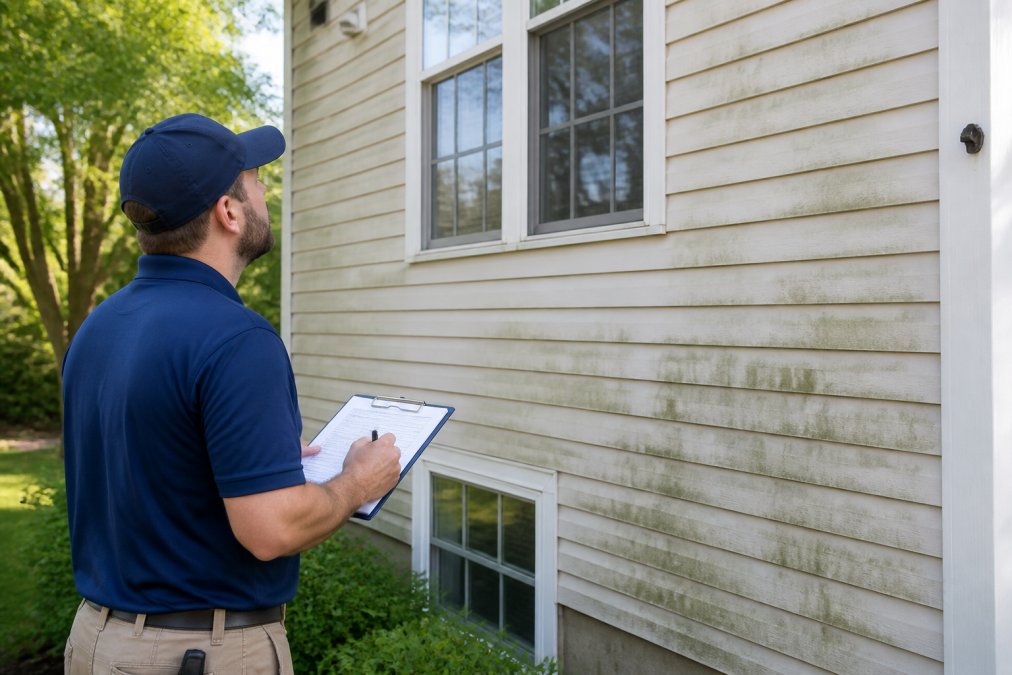
Start your search by asking neighbors and friends for recommendations. Word-of-mouth referrals from people who’ve had work done are invaluable. Check online reviews on Google, Yelp, and the Better Business Bureau, but remember that both extremely positive and negative reviews can be skewed.
When you contact contractors, ask specific questions: How long have they been in business? Do they carry liability insurance? Are they licensed and bonded? What equipment do they use? Can they provide references? A legitimate contractor answers these questions directly and confidently.
Insurance and Liability: The Non-Negotiable Protection
One of the most important, and most overlooked, factors in contractor selection is verifying proper insurance coverage. This directly affects your financial exposure and should influence your decision as much as price.
There are three types of coverage you should confirm:
General Liability Insurance protects you if the contractor damages your property (e.g., cracks a window, strips paint from siding, or damages landscaping during cleaning). This adds to contractors’ overhead and is passed along in their pricing. A contractor without it is operating illegally in most jurisdictions and shifting all risk to you.
Workers’ Compensation Insurance covers contractor employees if they’re injured on your property.
Licensing and Bonding
Licensing requirements vary by jurisdiction, but most areas require contractors performing work over a certain dollar threshold to hold a valid business license. Bonding (a surety bond) is a financial guarantee that the contractor will complete work as promised. If they fail to do so, the bonding company compensates you up to the bond amount.
Request On-Site Estimates and Written Scope
Ask for the estimate in writing with a detailed breakdown of what’s included. “House cleaning” is vague. You want specifics: siding, gutters, downspouts, driveway, patio, roof, whatever applies to your property. The written estimate should also specify:
- The cleaning method (pressure washing, soft washing, or both)
- Pressure settings and cleaning solutions to be used
- Timeline for completion
- Warranty or guarantee on the work
- Payment terms and cancellation policy
Ask contractors how they handle delicate surfaces like stucco or older siding. Their answer reveals whether they understand the difference between pressure washing and soft washing, and whether they’ll protect your property. A contractor who mentions adjusting pressure settings and using appropriate solutions demonstrates expertise.
A professional contractor provides free estimates, takes time to understand your specific needs before quoting, and can document their credentials and insurance coverage. This approach ensures you’re paying for the right services with proper legal protection in place.
Conclusion
Professional exterior cleaning cost varies based on property size, surface type, cleaning method, and contractor experience. Understanding these factors helps you evaluate quotes fairly and avoid overpaying for services or hiring contractors who cut corners on safety and quality.
| Factor | Impact on Cost | Typical Range |
|---|---|---|
| Surface type (concrete vs. stucco vs. roof) | High | Affects method and time required |
| Property size (square footage) | High | Direct correlation to labor hours |
| Surface condition (light vs. heavy soiling) | High | Determines cleaning intensity |
| Soft washing vs. pressure washing | Medium | 15-25% price difference |
| Contractor experience and insurance | Medium | Reflects quality and protection |
| Geographic location | Low to Medium | Regional labor cost variations |
Frequently Asked Questions
How much should professional exterior cleaning cost?
Pricing depends on surface type, property size, condition, and your location. Pressure washing and soft washing have different pricing structures, with soft washing typically costing more due to specialized equipment and biodegradable detergents. Request service estimates from licensed contractors to compare. Contact Carters Precision Pressure Washing for a free quote tailored to your specific property needs.
What is the difference between soft washing and pressure washing costs?
Soft washing costs more upfront because it uses lower-pressure systems, specialized nozzles, and biodegradable detergents safer for delicate surfaces like stucco and older siding. Pressure washing is faster and less expensive for concrete driveways and hardy surfaces. Your contractor should recommend the right method based on surface material to avoid damage and ensure lasting results.
How often should you have your home’s exterior professionally cleaned?
Most properties benefit from annual or biannual professional cleaning. Roofs and siding in humid climates may need cleaning every 12-18 months to prevent mold and mildew growth. Driveways in high-traffic areas may require more frequent attention. A licensed contractor can assess your property’s condition and recommend a maintenance schedule based on local climate and surface type.
What factors influence the price of professional pressure washing?
Key factors include square footage, surface material (concrete, stucco, wood, asphalt), property condition, accessibility, and whether mold or staining removal is needed. Roof cleaning costs more than driveway cleaning. Contractor licensing, insurance, and equipment quality also affect pricing. Licensed and bonded contractors typically charge more but deliver better results and protect your property.